How earnings becomesomething you can spend
Creator fees are already digital, already fast, and still end in a manual cash-out. The gap is not the earning. It is everything between earning and spending.
This page describes how PumpCard intends to close that gap. It is a design: none of these steps is implemented.
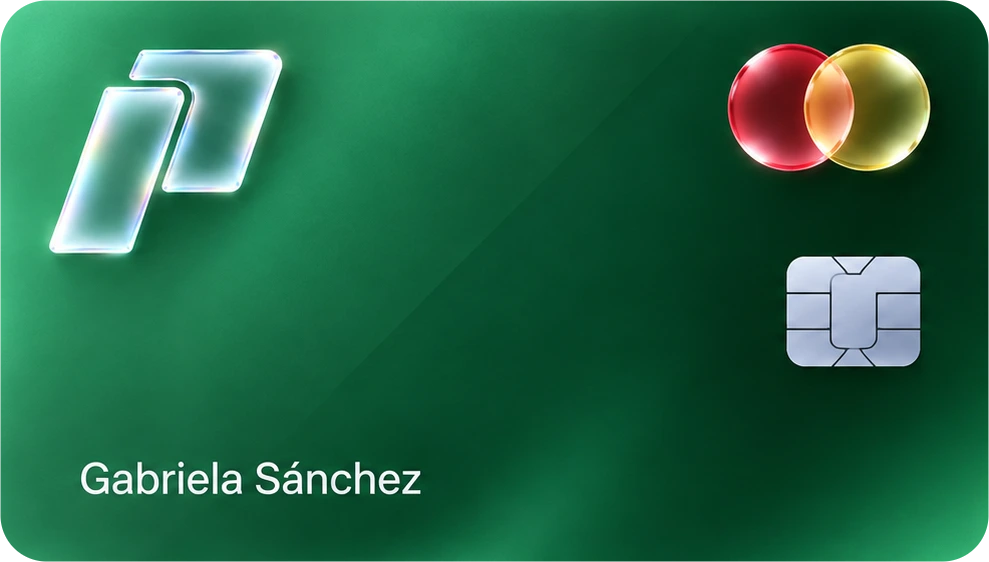
Earn. Balance. Spend.
Three steps, in that order, with nothing to do in between. The loop is short on purpose: every extra step in a money product is somewhere a person gives up.
The two numbers that matter
What has arrived
Everything your sources have paid you, labelled by where it came from, so the balance reads as income rather than as a list of transfers.
No source is connected today.
What is ready to use
The part that has been settled into a form you can spend from. Keeping it separate from earnings is deliberate: collapsing the two is how products imply money is available when it is not.
No settlement is implemented today.
The loop, step by step
1. Earnings arrive
From where you already make money. Creator fees from a coin you launched, from a fee split, or from fees assigned to you. Different coins, one inbound stream.
2. They are recognised
Not just received. Knowing a payment is a creator fee rather than an unlabelled transfer is what makes a balance readable instead of a ledger you have to interpret.
3. They settle
Into something spendable. Income arrives in whatever form its source pays in. Turning that into a balance you can spend is the step most products leave to the user.
4. The balance adds up
One figure, not six. Earnings and spendable balance are tracked separately, because what has arrived and what is ready to spend are not the same thing.
5. You spend from it
No cash-out in the middle. The intended end of the loop: spending draws on the balance directly rather than on a transfer you had to remember to make.
None of this runs yet
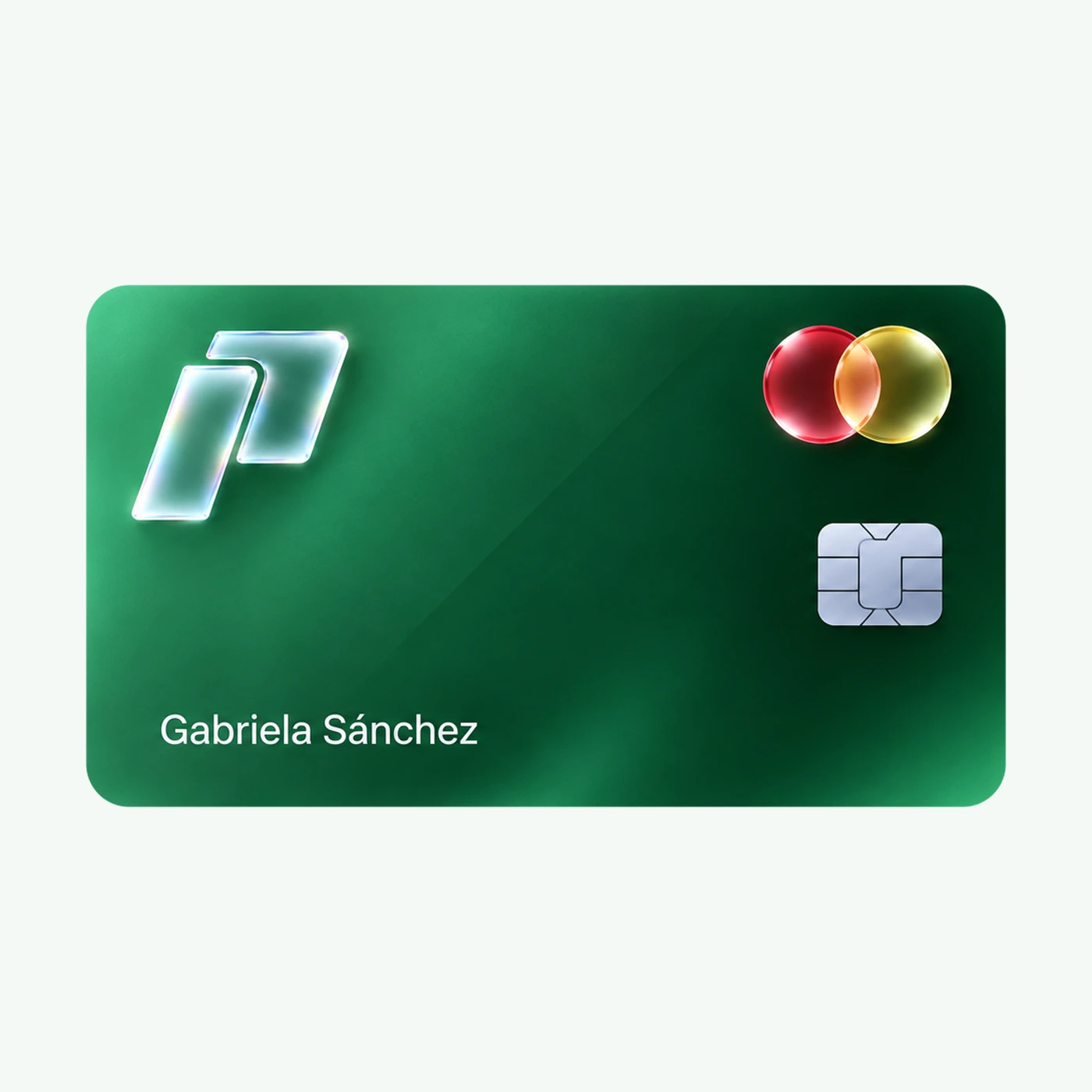
This is the design. There is no integration, no settlement, no balance and no card. Each step above has to be built and, in places, licensed.
1. Earnings arrive
From where you already make money. Creator fees from a coin you launched, from a fee split, or from fees assigned to you. Different coins, one inbound stream.
2. They are recognised
Not just received. Knowing a payment is a creator fee rather than an unlabelled transfer is what makes a balance readable instead of a ledger you have to interpret.
3. They settle
Into something spendable. Income arrives in whatever form its source pays in. Turning that into a balance you can spend is the step most products leave to the user.
4. The balance adds up
One figure, not six. Earnings and spendable balance are tracked separately, because what has arrived and what is ready to spend are not the same thing.
5. You spend from it
No cash-out in the middle. The intended end of the loop: spending draws on the balance directly rather than on a transfer you had to remember to make.
None of this runs yet
This is the design. There is no integration, no settlement, no balance and no card. Each step above has to be built and, in places, licensed.
Crypto underneath, not on top
Creator fees settle onchain by definition. That is a good reason to use those rails, and a bad reason to make someone think about them while paying for lunch.
The networks page lists what the design assumes. None are integrated.

FAQ
By connecting the places income already lands, so a fee that arrives onchain or a payout from a platform is recognised and added up in one place.
No connection of this kind is built. This is the design, not a running system.
Earnings are what has arrived. Spendable balance is the part that has been settled into something you can actually spend.
Separating the two is deliberate: it is the step most products hide, and it is where the real work sits.
The networks creator fees actually settle on. The networks page lists the ones the design assumes.
None are integrated today.
You can, and today that is what people do. It means a threshold, a payout schedule, a conversion and a wait, repeated per platform.
The loop PumpCard describes is an attempt to remove that repetition, not to replace your bank.